

A compendium of knowledge about tensor hoops
Entry
Tensor hoops are circles of twisted wire, most often copper, that have been gaining popularity in recent years among those interested in dowsing, meditation, and personal development. Traditionally, they are considered a symbol of harmony, and their proponents associate them with working with the chakras and a sense of inner peace.
Science doesn't confirm that tensor hoops work. For some, they're a beautiful object and symbol of intention, while for others, they're a starting point for their own exploration. In this compendium, we've gathered the most important information: the history of hoops, their structure, types, their connection to the chakras, practical applications, and how to make a simple hoop at home.
The history and origin of the tensor rim concept
Slim Spurling and his first inspirations
The modern concept of tensor hoops dates back to the 1980s and 1990s. Slim Spurling, an American alternative researcher, experimented with twisted copper wire, searching for a way to create an object that would symbolize harmony around humans.
Similar shapes and precious metal hoops were known much earlier, however. In ancient Egypt, they accompanied rituals and were intended to emphasize their importance. It is unknown whether they were the direct predecessors of today's tensor hoops, but this tradition became an important point of reference for them.
Development of the theory and principles of sacred geometry
Over time, Spurling focused on the so-called sacred geometry (English: sacred geometry), i.e. the symbolic meaning of shapes and proportions. In his approach, the key role began to be played
The idea gained supporters first in the United States and later in Europe. Today, you can make your own hoop or purchase it from a professional craftsman.
Controversy surrounding the invention
As with many ideas bordering on alternative traditions, opinions are divided. Scientists point out that there is no evidence that the hoops work at all and that the reported sensations may be due to the placebo effect. Proponents, however, emphasize their own subjective experiences: more restful sleep, less tension, and improved mood.
This difference in perspective makes the topic interesting and worth approaching with a calm, open mind.
The construction of tensor hoops and their operating principle
Material: Why copper?
Copper is the most common choice. It's a good conductor of heat and electricity, a soft, easy-to-work metal, and has for centuries been associated with craftsmanship and the symbolism of flow. In Eastern traditions, it has been linked to the concept of life energy, known as chi or prana.
Brass, silver, or gold are also sometimes used. These are more refined versions, chosen for aesthetic appeal and personal preference.
Twisting wires, proportions and the Royal Cubit
The hoop is made from a suitable length of copper wire, which is twisted together, sometimes several strands at once, and then rolled into a circle. The most important thing is length wire, which results from the selected measure. The most frequently described include:
- standard
cubit (approx. 20.6 to 20.7 inches), cubit lost cubit,cubit royal cubit, i.e. an Egyptian cubit, approximately 52 cm long.
Traditionally, each of these measurements is assigned its own frequency. This means that a hoop with a circumference of approximately 52 cm is considered different from a hoop with a circumference of 20.7 inches.
Mechanism of action and properties in the traditional approach
According to dowsing messages, the tensor rim is a kind of permanent generator of subtle energy.Everything that passes through it—electromagnetic waves, human energy, and the radiation described by dowsers—is meant to be organized. In this narrative, the hoop supports the flow of life energy and harmonizes the chakras.
This is a symbolic description, based on beliefs, not scientific findings.
Discrepancies in scientific interpretations
Academic science is unequivocal on this matter: there is no evidence that tensor hoops produce any measurable effect. At the same time, there is no shortage of dowsers and therapists who use them in their work. Everyone can therefore form their own opinion, bearing in mind that tradition and science speak different languages on this subject.
Types of tensor hoops
Division by length and frequency
-
Half
cubit u (1/2 cubit): small hoops for everyday wear, for example as pendants. -
cubit Standard Cubit: the most popular, for general use, for meditation and working with chakras. -
cubit Lost Cubit: traditionally associated with higher frequencies, emotions and the heart and third eye chakras. -
cubit Royal Cubit: the largest, often used to harmonize larger spaces.
Several gauges can also be combined in one hoop. This construction is called Harmony ring.
Division according to the number of twisted wires
- Single strands: classic, simplest form.
- Double twisted pairs: two wires, more complex construction.
- Triple and quadruple: found less frequently, chosen by people who appreciate more complex patterns.
Division according to practical application
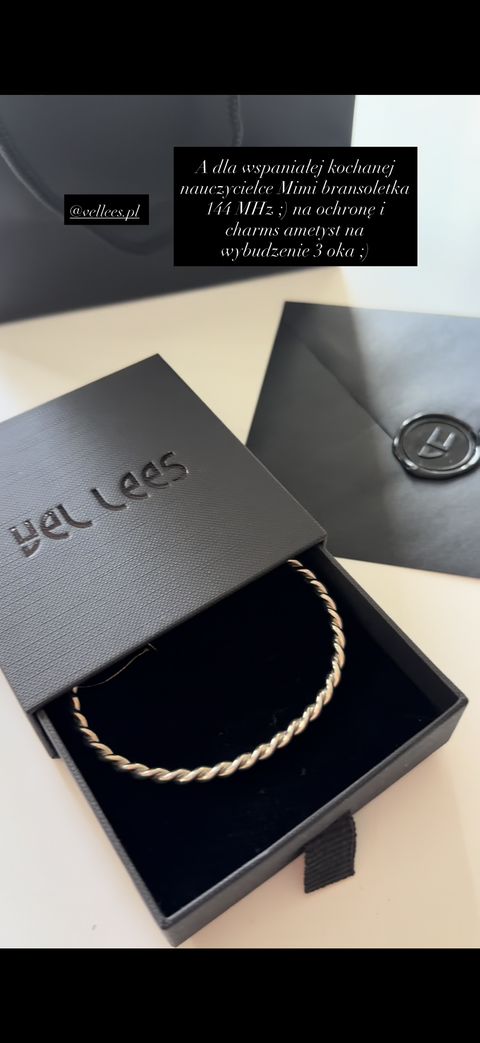
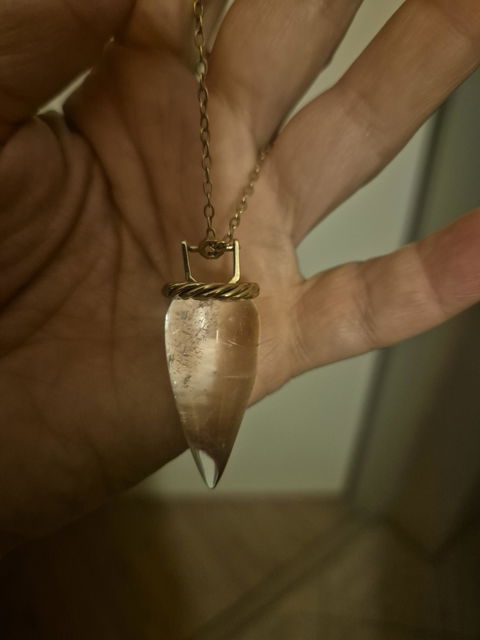
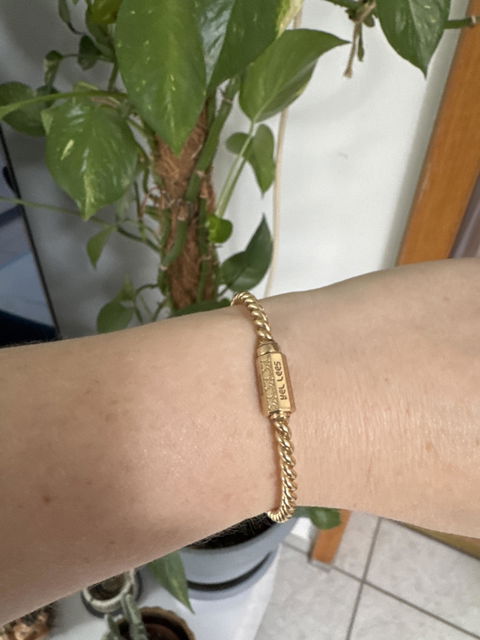
- Personal: small pendants and bracelets worn every day. An example is tensor amulet with black tourmaline Whether copper tensor earrings.
- Therapeutic: larger ones, used by dowsers and practitioners, e.g. placed next to the person during the session.
- To space: large circles hung in the room as a symbol of order and harmony.
Frequencies and effects on chakras
Basics of working with chakras
In the Eastern tradition, it stands out seven main chakras:
- root,
- sacred,
- solar plexus,
- hearts,
- throat,
- third eye,
- crowns.
According to this knowledge, when any of these are disrupted, difficulties can arise on a physical, emotional, or spiritual level. This is a symbolic description, not a medical one.
Girdle Resonance and Chakra Harmonization
Proponents of tensor hoops believe that their field interacts with the body's vibrations. Traditionally, this is described as:
- opening chakras that are considered to be insufficiently active,
- calming down those considered overstimulated,
- cleaning energy blockages in the aura.
In practice, the hoop is placed over the chosen chakra or held over it during meditation. Alternatively, one can sit inside a larger hoop, which is sometimes described as an energy shower.
An example of harmonization practice
- Place: choose a quiet, peaceful place.
- Position: sit comfortably, with your spine straight but relaxed.
- Ground: imagine roots growing from the base of your spine.
- Hoop: place it or hold it at the height of the chakra you want to work on.
- Intention: mentally formulate a simple intention, for example: "May my energy be in harmony."
- Breath: breathe calmly and mindfully.
- End: After 10 to 15 minutes, say thank you, put down the hoop and drink a glass of water.
Many people describe these moments as a time of peace and relaxation. This is a subjective feeling that often stems from simply devoting time to yourself.
Effects on the body and confirmed (or not) benefits
Effects described by users
People who use the hoop describe a variety of subjective experiences. These are solely their own accounts, not established facts:
- dream: a feeling of deeper rest,
- tension: a feeling of relief in more difficult moments,
- stress: a feeling of greater peace,
- vitality: the feeling of additional energy when wearing it,
- intuition: greater concentration during meditation.
The point of view of conventional medicine
There are no clinical studies confirming the effectiveness of tensor rings. Conventional medicine attributes the effects experienced to the placebo mechanism and the influence of ritual and tranquility. However, for those who value tradition, the ring can be an object of personal significance.
Safety and contraindications
- Metal allergies: If you are allergic to copper or any other metal, use caution.
- Treatment: Hoops are not a substitute for medical care. If you experience serious symptoms, consult a doctor.
Application in everyday life: examples and stories
Water purification
One of the most frequently reported uses is placing a glass of water in the center of the ring for several minutes. Proponents claim that the water becomes more delicate in taste. There's no evidence to support this, but for many people, it's simply a pleasant, daily ritual.
Protection against electromagnetic smog
Every day, we're surrounded by devices that emit electromagnetic waves, such as smartphones and Wi-Fi. Some people place hoops on their desks or routers, hoping to symbolically mitigate their impact. It's important to remember that this is a belief-based practice, not a proven method of protection.
Help with meditation and spiritual practices
- Meditation: holding the hoop in your hands or on your knees as a focus point.
- Reiki: Some Reiki practitioners incorporate the rings into their work, believing they enhance the flow of energy.
- Rituals: the ring is an element of the ceremony, along with incense, oils and candles.
Cleansing and Charging Crystals
Traditionally, stones such as quartz or amethyst are placed inside the hoop to symbolically cleanse and charge them. Crystal enthusiasts appreciate this ritual for its simplicity. Black tourmaline, traditionally considered a protective stone, is treated similarly. If you're interested in this variety, see jewelry with black tourmaline.
How to make a tensor hoop yourself?
Materials needed
- copper wire with a diameter of 1 to 2 mm, without varnish,
- a tape measure or ruler,
- pliers or nippers for cutting and twisting,
- optional: sandpaper, soldering iron, rosin.
Step-by-step creation process
-
Selecting a measure: decide whether it will be
cubit standard, lost, or other. - Cutting the wire: measure the length with great accuracy.
- Twisting: fold the wire in half (for a double twist) and twist it evenly.
- Formation: bend the twisted wire into an even circle.
- Connecting the ends: they can be soldered or simply screwed together tightly.
- Smoothing: secure the ends so that there are no sharp edges.
- Purification: According to tradition, the hoop can be cleansed, for example, with a salt bath, fumigation with sage or exposure to the sun.
Practical notes
- Accuracy: Even a small difference in length, according to tradition, changes the character of the hoop.
- Copper quality: It is best to choose clean wire without coatings.
- Intention: many people put their own, peaceful intention into making the hoop.
- Security: Be careful when cutting wire and protect your eyes.
Controversy, Skepticism, and Rational Doubt
No scientific confirmation
Scientists agree that there is no evidence for the operation of tensor hoops, and the concept of a so-called tensor field (also called a torsion field) is not supported by physics. Proponents emphasize personal feelings. Everyone is free to adopt their own perspective, while remembering to distinguish between belief and fact.
Risk of treatment omission
The greatest risk comes from someone using a bandage to replace treatment, such as chemotherapy or antibiotics. A bandage can be, at most, a symbolic addition. It does not replace a doctor's consultation or treatment.
The Importance of Personal Faith and Perspective
In this type of practice, personal attitude plays a significant role. For those who value this symbolism, the hoop may have value as an object of reflection. For others, it will simply remain a beautiful copper object.
Real-life examples: how hoops are used
Instead of individual stories, we've collected common scenarios described by people who use hoops below:
- Evening ritual: the hoop lies next to the bed as a symbol of the end of the day and peace.
- Home and garden: Some people place hoops under their pots as part of their own symbolic care for the plants.
- Working at the computer: For some, a ring on a desk can be a reminder to take breaks and be mindful.
- Examination period: A small hoop worn as a pendant can be a personal talisman that brings peace.
These are examples of use, not promises of results.
Tips for those just starting out with hoops
- Keep an open mind: be curious but critical.
- Check it out for yourself: wear the hoop for some time and observe your own sensations.
- Avoid extremes: In case of more serious ailments, always consult a doctor.
- Learn about the different types: different measures and structures have different symbolism.
- Seek knowledge: use reliable sources and exchange experiences with other enthusiasts.
Frequently asked questions
What are tensor hoops?
These are circles of twisted wire, usually copper, made according to measurements called
Do tensor hoops have confirmed properties?
No. There is no scientific research to confirm their effectiveness. We describe them as an element of tradition and symbolism.
What is cubit ?
What material are tensor hoops made of?
Most often made of copper, due to its softness and tradition. Versions in brass, silver, or gold are also available.
Can a tensor cuff replace treatment?
No. The rings are not a medical device and do not replace medical advice.
What are the differences between the different types of tensor hoops?
Tensor hoops differ in the length of the wire, i.e. the selected
What does the term "tensor field" mean?
This is the term used in dowsing circles to describe the subtle field that supposedly creates the hoop. This term has no basis in physics and should be considered a tradition, not a description of a scientifically proven phenomenon.
What are tensor hoops traditionally used for?
Those interested in this topic describe them as an adjunct to meditation, a symbol of intention at home or in the workplace, and a ritual associated with crystals. Some dowsers also use them in their practice, which they call healing. This is a description of beliefs, not a promise of results.
Do tensor rings affect sleep and well-being?
There's no scientific evidence to support this. Some people describe spending time with the hoop in the evening as helping them calm down. This is a subjective feeling that often stems from the ritual itself and the time spent alone.
Do tensor hoops have anything to do with energy and vibration?
Traditionally, the hoops speak of energy and vibrations, including the energy of the earth, with which they are said to harmonize. Science does not confirm such correlations. For those who value symbolism, it is a language for describing personal experiences.
How to care for a tensor rim?
Copper darkens over time, a natural process. It's best to store the ring in a dry place and wipe it gently with a soft cloth. Traditionally, many people cleanse it symbolically, for example, by exposure to sunlight or a short salt bath. When using precious metal stones and jewelry, follow the manufacturer's recommendations.
Summary
Tensor hoops combine ancient inspirations with contemporary interest in dowsing and personal development. For some, they are a valuable symbol, for others, a questionable topic. While scientific evidence for their effectiveness is lacking, many value them for their symbolism and ritual.
If you're passionate about chakras and self-improvement, you can consider the ring as an addition to your own practice. And if it doesn't bring the desired sensations, it remains a beautifully crafted copper object. The most important thing is to choose what works for you and to use common sense.
Next steps and inspirations
- Publications: it is worth looking for materials about Slim Spurling's tensor hoops.
- Workshops: Sometimes classes are organized on how to make your own hoops.
- Communities: forums and thematic groups where you can exchange experiences.
- Other practices: dowsing, reiki, lithotherapy and aromatherapy are fields that are often combined with them.
In conclusion
Whether a tensor hoop is a symbol with profound meaning or a common object is up to each individual to decide. If this topic interests you, investigate it on your own terms and with common sense, and if necessary, always consult a doctor.
We wish you peaceful, conscious discoveries.
Jewelry











1 comment
Jest piękny , wszyscy pytają skąd taka biżuteria , kupiłam krótszy aby wyglądał jak choker, przy dłuższym noszeniu czuję wyraźnie energię na poziomie szyi , ostatnio zasnęłam w nim i mój pies który zawsze śpi w moich nogach spał przy mojej twarzy … kolejna będzie bransoletka królewski cubit